
Metering and billing
Gabia Navickaite
October 27, 2026
Read Time:
As temperatures begin to fall, housing providers across the UK are preparing their residential heat networks for the winter months ahead.
Traditionally, winter readiness has focused on operational priorities: servicing plant equipment, checking network performance, preparing for peak demand and ensuring support processes are in place for residents.
Those activities remain essential. But as energy affordability continues to be a concern for households, and Ofgem is now in play, there is another question providers should be asking:
The resident experience does not end once heating and hot water are available. Residents need to understand what they are being charged, how those charges have been calculated and whether they have any control over their costs. This quite frankly, is now the law too.
When bills are difficult to explain or appear disconnected from individual usage, questions and complaints often increase. For residents already dealing with higher household costs during winter, uncertainty around heating charges can add further pressure.
This has always been important, but it is becoming even more significant as Ofgem's regulatory framework places a stronger emphasis on consumer protection, transparency and customer outcomes.
Under the Heat Network Consumer Protection framework, fair and transparent billing is more than just best practice, it is a regulatory expectation. Housing providers and heat suppliers are expected to demonstrate that charges are accurate, clearly explained and provide value for money. Where metering is installed, billing residents based on their actual consumption supports these principles by ensuring customers pay for the heat they use rather than subsidising higher consumption elsewhere on the network.
Under Ofgem regulations, housing providers will also need to demonstrate not only that their networks are performing efficiently, but also that residents are being billed in a way that is clear, accurate and easy to understand.
Many heat networks still operate under some form of flat-rate billing arrangement, where costs are shared across a building or development rather than being linked directly to individual household consumption.
While these arrangements can appear simple to administer, they can create challenges for both residents and housing providers.
Under a flat-rate billing model:
In effect, residents have limited control over what they pay because their bill is not fully linked to the amount of energy they consume. At a time when many households are looking for ways to manage costs, this can become a significant issue.
The most effective way to support residents is not necessarily to hide costs. It is to ensure residents have visibility, transparency and control. Again, it’s the law!
Consumption-based billing allows residents to pay according to the heat they actually use rather than a shared or estimated cost.
This creates several important benefits:
Residents are charged based on their own consumption rather than subsidising usage elsewhere within the building or network.
Residents can see how their behaviour influences their bills, helping them make informed decisions about energy use.
Clear, consumption-based billing gives residents greater visibility over their energy use and costs, helping them understand exactly what they are paying for.
When residents can see how much heat they have used and how those costs have been calculated, they have a greater control over their bills.
At Switch2, we've seen significant savings when housing providers move from flat-rate charging to consumption-based billing. Across projects where that transition has been made, the smallest reduction in costs has been around 35%, while the largest has reached 51%.
One example is our Lee's Rest Houses case study, where the introduction of end-user heat meters gave residents clearer information about their heat use and associated costs. Following the introduction of metering and billing, the scheme recorded:
These results show what can happen when residents have visibility of their consumption and a clear link between the heat they use and their bills. Rather than relying on shared charges across a building, bills are based on the usage of individual households, giving residents greater control over their energy costs.
Alongside operational preparations, housing providers should consider the following steps as winter demand increases:
Understand contract renewals, potential market exposure and future cost pressures that could affect residents during the heating season.
Review heat losses, return temperatures, plant performance and maintenance schedules to identify opportunities for optimisation. Review your maintenance contracts to ensure they promote efficiency and reliability improvements.
Consider whether current billing models are delivering transparency, fairness and resident confidence.
Provide clear information about heating costs, support available and what residents can expect throughout the winter period. Residents are more likely to engage positively when information is provided early.
Ensure appropriate processes are in place to identify and assist households who may be disproportionately affected by heating costs.
Keeping heating and hot water running throughout winter will always be the priority for housing providers and heat network operators. But resident experience is shaped by more than running heating and hot water performance alone.
When billing is unclear, estimated or disconnected from actual consumption, residents can feel powerless over rising costs.
Fair billing is no longer just a customer service principle. Under the new heat network regulatory framework, it is a fundamental part of consumer protection.
As housing providers prepare for another winter, reviewing billing arrangements should sit alongside reviewing plant rooms, maintenance plans and energy contracts.
For organisations facing substantial increases in gas and electricity costs, it is also worth engaging with the Government's heat network policy and regulatory teams. Heat networks remain exposed to wholesale energy market volatility in ways that differ from individual domestic consumers, and providers should make their concerns known where rising energy costs are affecting residents connected to residential heat networks.
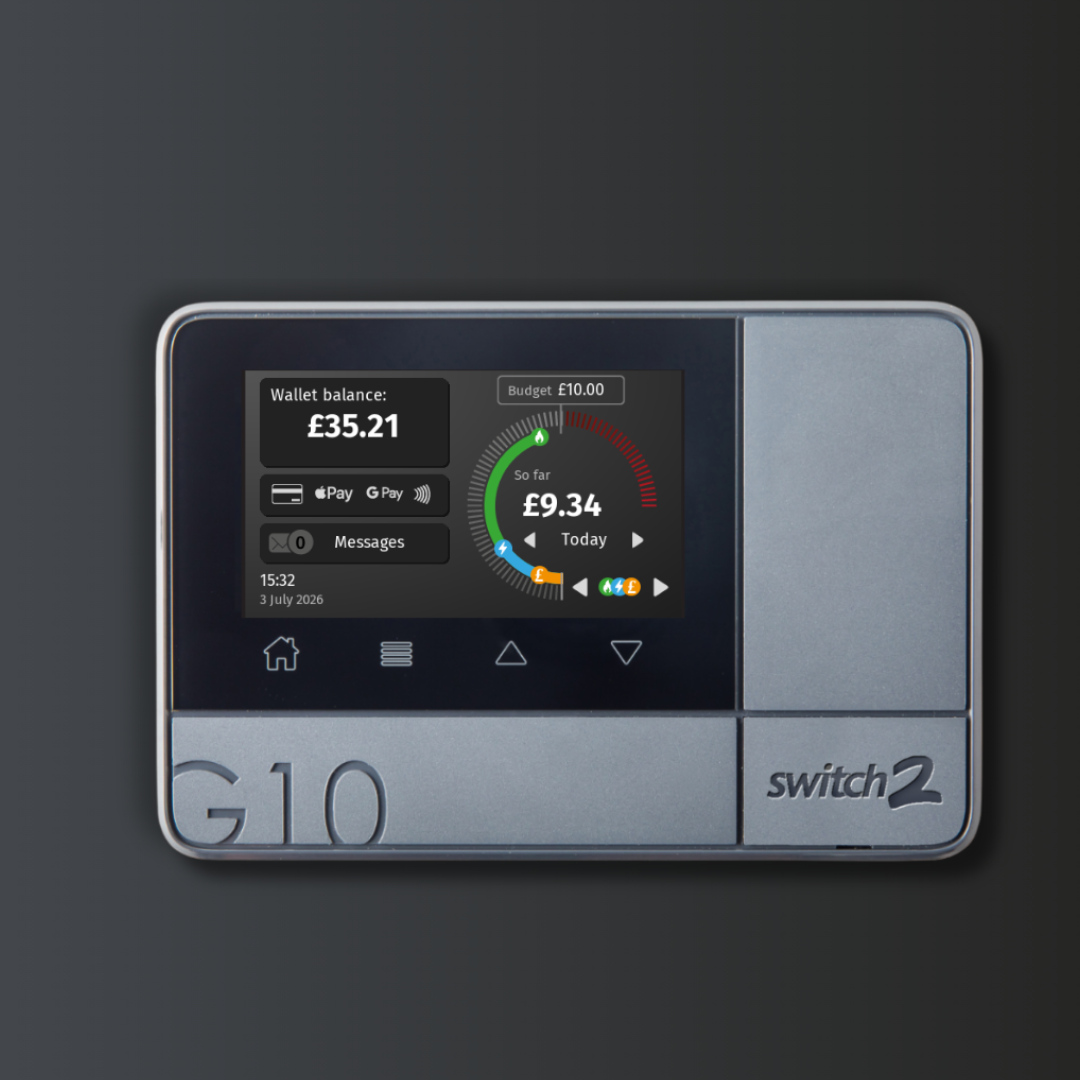
Switch2's G10 smart metering hub helps housing providers move away from estimated and flat-rate charging by using accurate consumption data to calculate resident bills.
The system combines smart meters, remote meter reading and automated billing, giving providers access to the information they need without relying on manual readings or estimated consumption.
With G10, housing providers can:
For residents, the benefit is straightforward. They can see how much heat they have used and how that usage affects their bill. This helps residents better understand the relationship between the energy they use and the charges they pay, something they cannot do with flat-rate billing models.
For providers, access to accurate metering data can support both customer service and network management. Consumption data can help explain charges, investigate queries and identify opportunities to improve network performance.
Accurate metering is only part of the picture. Switch2's metering and billing service helps housing providers turn consumption data into accurate resident bills, while handling the day-to-day administration and customer enquiries that come with billing management.
